
One lesson cannot fit every student
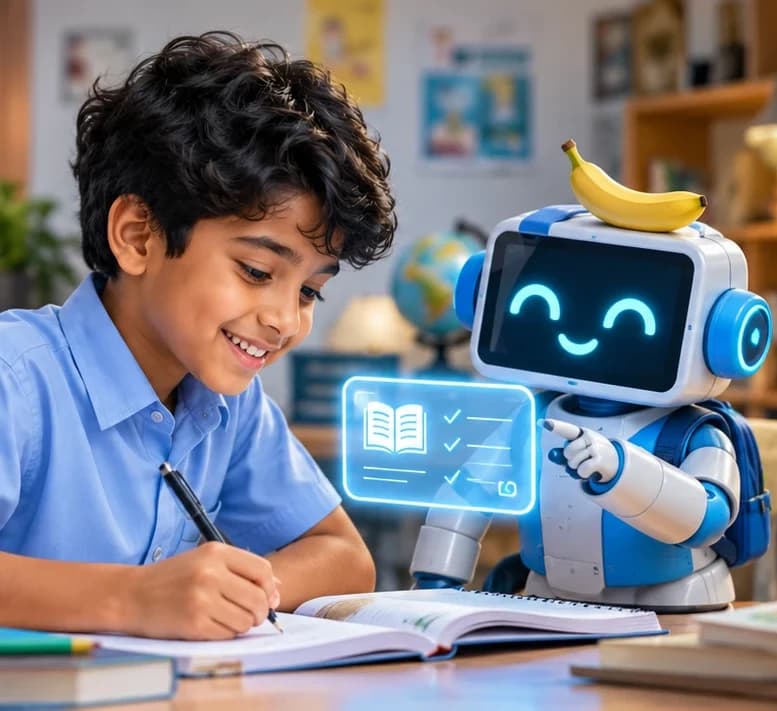
An AI-based learning platform uses artificial intelligence to personalise lessons, identify knowledge gaps, give timely feedback and show teachers how each student is doing. It works best alongside teachers, not in place of them.
Every learner is different
What if every student had a personal learning assistant, one that understood how they learn, where they struggle and when they are ready for the next challenge? Welcome to the era of AI-based learning platforms.
Traditional education often follows a one-size-fits-all approach. But every learner is different. Some grasp concepts quickly, while others need more time, practice or a different explanation.
AI is helping change that. An AI-powered learning platform uses artificial intelligence to make education more personalised, interactive and data-driven.
What an AI-based learning platform can do
Personalised learning paths: Adjust lessons and learning activities according to each student's progress and ability.
Intelligent assessments: Identify knowledge gaps and recommend targeted practice.
AI learning assistants: Provide instant explanations, hints and learning support.
Learning analytics: Help teachers understand student performance, engagement and areas requiring attention.
Automated feedback: Give learners timely feedback so they can improve continuously.
Adaptive content: Recommend suitable videos, exercises, reading materials and quizzes based on individual learning needs.
Why this matters
For students, it means learning at their own pace.
For teachers, it means better insights and more time to focus on teaching.
For schools and educational institutions, it means the opportunity to build more flexible, measurable and scalable learning environments.
AI should empower teachers, not replace them
The most effective AI learning platforms combine intelligent technology with human guidance, quality instructional design and meaningful student interaction.
The future of education will not simply be digital. It will be intelligent, adaptive and learner-centred.
Is your educational institution ready to move beyond traditional e-learning?